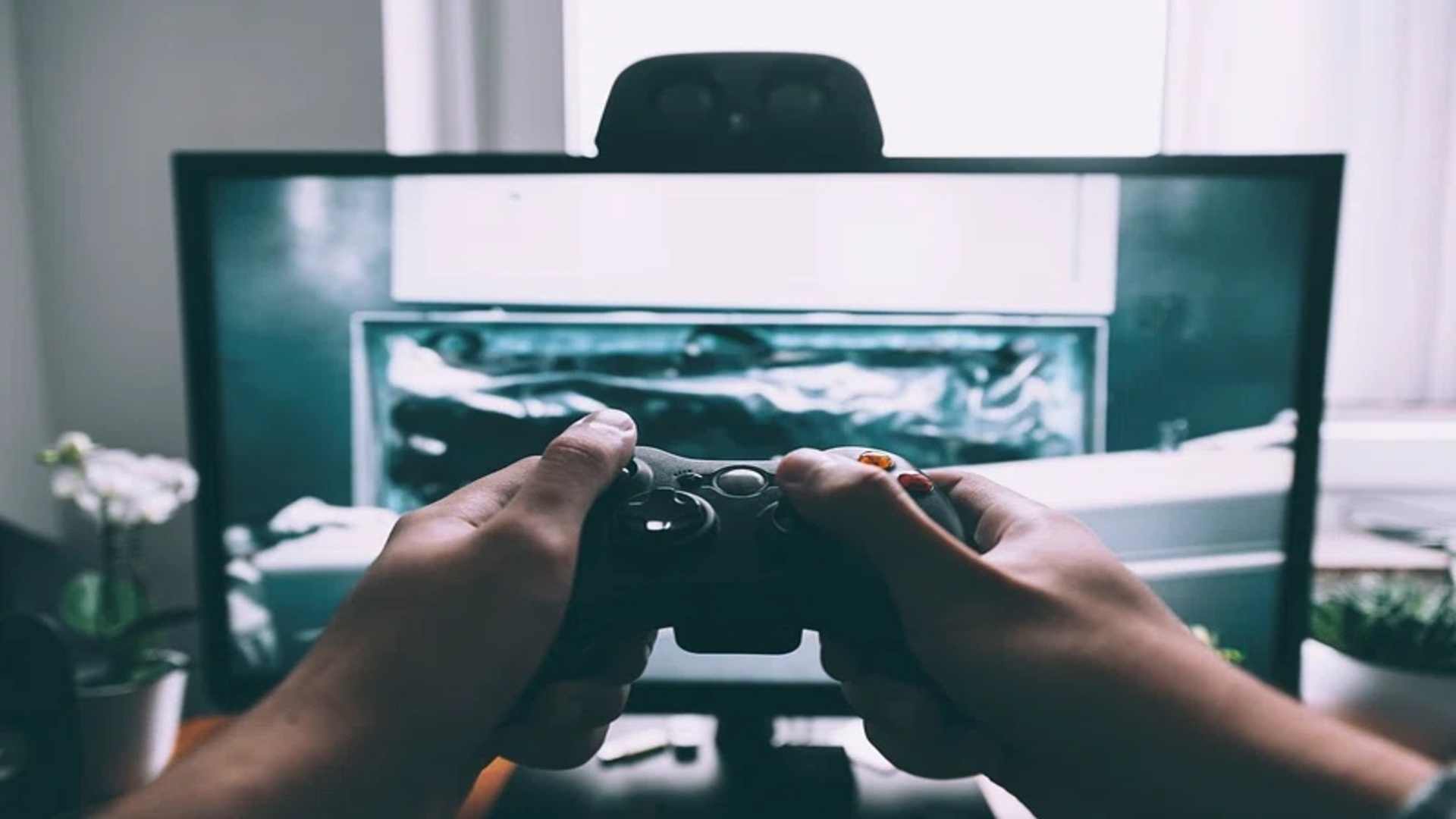
Exploring the world of chance does not have to be a dry academic exercise limited to school textbooks. Engaging in hands-on probability challenges can turn mathematics into a captivating game that sparks curiosity across generations. By exploring how random events take shape, both children and adults can develop a sharper mindset for everyday problem-solving.
Interactive Probability for Young Minds
For early learners, simple activities using everyday household items provide an excellent introduction to statistical thinking. Flipping coins or rolling colorful dice allows children to witness the basic laws of randomness in real time. These playful experiments help young participants recognize that random outcomes often follow predictable patterns over long periods.
Introducing foundational concepts early builds a strong cognitive scaffolding that simplifies advanced learning later in life. Parents can facilitate this growth by encouraging kids to record their results and guess future outcomes. This interactive environment transforms abstract math lessons into moments of shared family excitement.
Challenging Teens with Strategic Probability
As young individuals mature, their mathematical puzzles can evolve to include deeper layers of strategic risk assessment. Card games and board games offer an engaging environment where players must weigh mathematical expectations against unpredictable factors. Navigating these scenarios forces teenagers to look past emotional reactions and rely on logical estimation instead.
These exercises simulate real-world decision architectures that prepare young adults for future analytical tasks. Exploring modern platforms can also show how developers integrate advanced mathematical randomness to create balanced digital challenges. When evaluating these online systems, referencing a secure platform like M88 Msports Login can help you understand how digital algorithms track randomized metrics. Familiarizing yourself with these applications is a fantastic way to sharpen your data analysis capabilities.
Bringing Generations Together Through Play
Family game nights offer a wonderful opportunity to test probability concepts in a collaborative social setting. Selecting games that balance strategic choice with elements of chance ensures that players of all ages can compete on equal footing. This structural balance naturally reduces competitiveness while promoting constructive conversations about risk and reward.
Through shared play, older family members can share practical insights regarding situational decision-making with younger participants. Discussing why a specific move was statistically safer helps cultivate logical deduction skills naturally. Ultimately, these interactive activities foster a healthier relationship with the natural uncertainties of daily life.
Advanced Analytical Puzzles for Adults
For adult enthusiasts, probability challenges provide an exceptional mental workout that maintains cognitive agility. Analyzing complex options under uncertainty helps individuals refine their long-term professional and personal strategic planning habits. Diving into statistical variance allows deep thinkers to recognize the hidden frameworks that govern risk across various life scenarios.
Engaging with advanced logic puzzles challenges our deterministic assumptions and promotes a highly robust mindset. Evaluating expected value outcomes ensures that you make evidence-based decisions rather than relying on standard intuition. With consistent practice, these statistical exercises become both highly accessible and deeply intellectual pastimes.